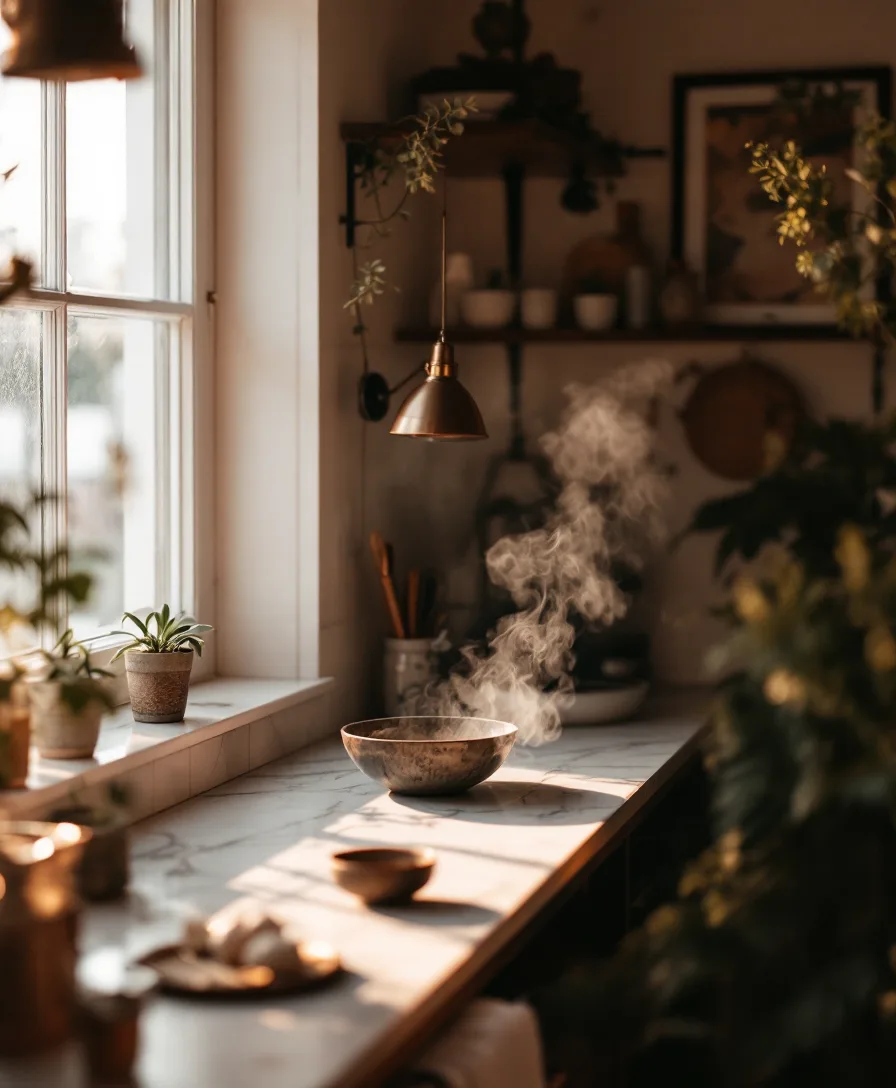
By 7am the kettle's on, the sweep is taped down, and the first plate is already warming under the key light.
Nettle Lane is two people, one north-facing room off Delaney Drive, and a stubborn habit of shooting food while it still steams. This is the studio behind the stills.
 // fig.styling.peak
It began with a cold plate and a missed dinner rush
The first job was a favor — a neighborhood bistro whose new menu photos looked like leftovers. By the time the food reached the camera, the steam was gone and the gloss had dried to a skin. We learned the hard lesson that night: a beautiful dish has a shelf life measured in seconds, not minutes.
So we rebuilt the way we work around that window. We prep the light before the kitchen plates, keep backup portions on the burner, and shoot the moment the dish looks its hungriest — knife-knock, sizzle, condensation and all.
Five years on, that same room off Delaney Drive feeds menus, shelves, and cookbook spreads across Hampton Roads and the James River corridor. The kettle still goes on at seven.
Four things we won't shoot around
Not a mission statement — just the habits that survive every shoot day, written on the wall above the lightboard.
-
rule.01
Shoot it hot
The steam, the sear, the first slow pour — those last a heartbeat. We light and frame before the food arrives so the camera is ready the instant it hits the plate. Real condensation, real gloss, no fakery sprayed on after.
-
rule.02
Leave the crumbs that belong
A loaf that never shed a crumb looks like a render, not a meal. We retouch out the distractions and keep the flour dusting, the char fleck, the drip down the jar — the small evidence that someone actually made this.
-
rule.03
Price it before the plate is built
You get a fixed package number and a shot list before any food is styled. No day-rate creep, no surprise reshoot fee. You book, we shoot, then we bill — invoice follows the gallery.
-
rule.04
Mixed by the same two pairs of eyes
The people who plan the brief are the people behind the lens and at the edit bay. Your color grade, your prop continuity, your label kept crisp — all decided by the two of us, start to gallery.
What lines the walls off Delaney Drive
Most of a food shoot is the stuff you never see in frame. This is the kit we reach for when a dish needs the right surface, the right shadow, or one more backup plate.
Forty-odd backdrops, all weathered
Honed marble, scorched oak, rusted steel, hand-painted plaster boards. We test three under your dish before the first frame so the surface flatters the food instead of fighting it.
One north window, one big softbox
The room faces north for steady, shadowless daylight all morning. When the sky won't cooperate, a 5-foot softbox and a black flag give us that same window-soft key with a raked, hungry shadow.
Linens, spoons, and chipped crockery
Drawers of flatware with real patina, stoneware in three muted glazes, faded napkins, and the odd antique fork. Nothing too shiny — props that read warm and lived-in, never showroom.
Tweezers, brushes, and a steamer
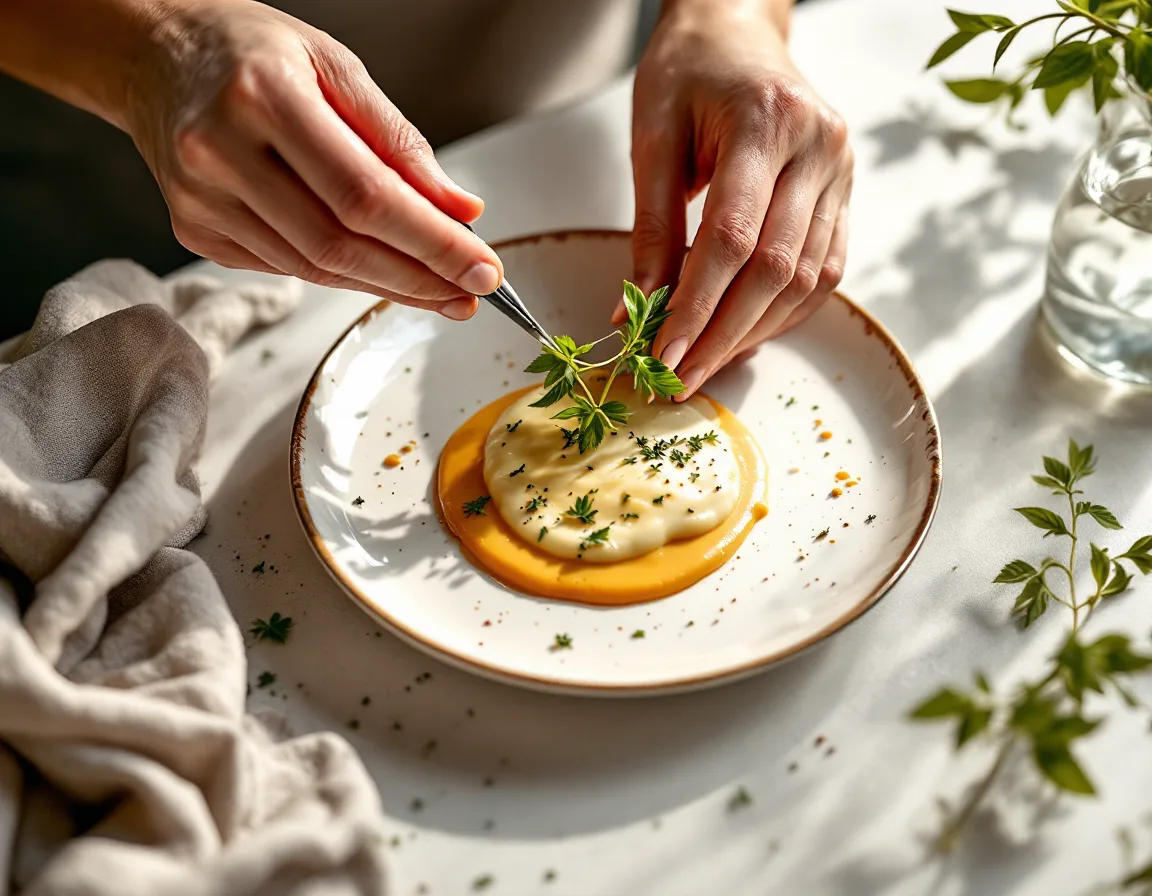
The stylist's bench: angled tweezers, sauce brushes, a micro-torch for char, a handheld steamer to bring the rise back, and cotton swabs for cleaning a plate rim mid-frame.
A two-person studio, on set together every shoot
No rotating freelancers, no hand-offs. Whoever you brief is who shows up with the camera and who grades your files.
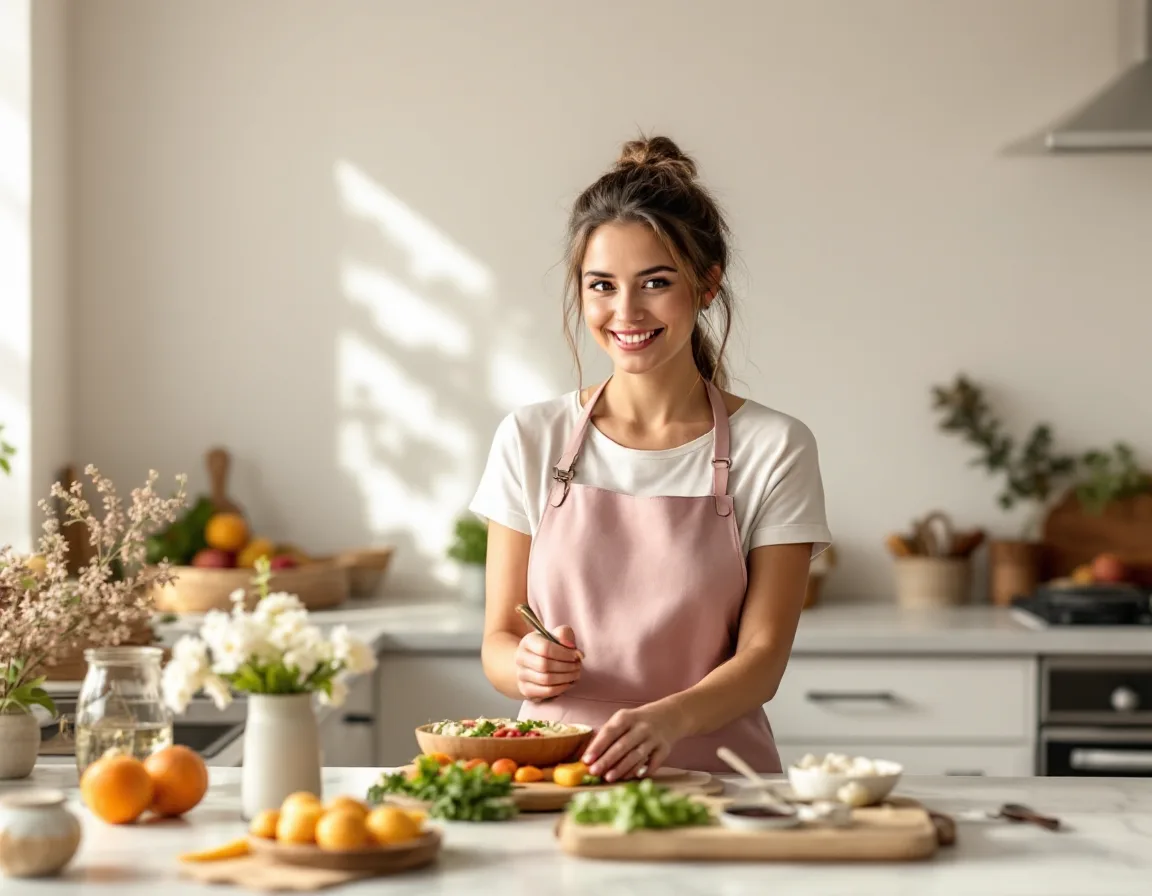
Mara Whitfield
Spent a decade shooting restaurant menus before the steam-or-nothing rule became a studio. Lives for the half-second a poured sauce catches the key light. Handles the camera, the lighting, and the grade.
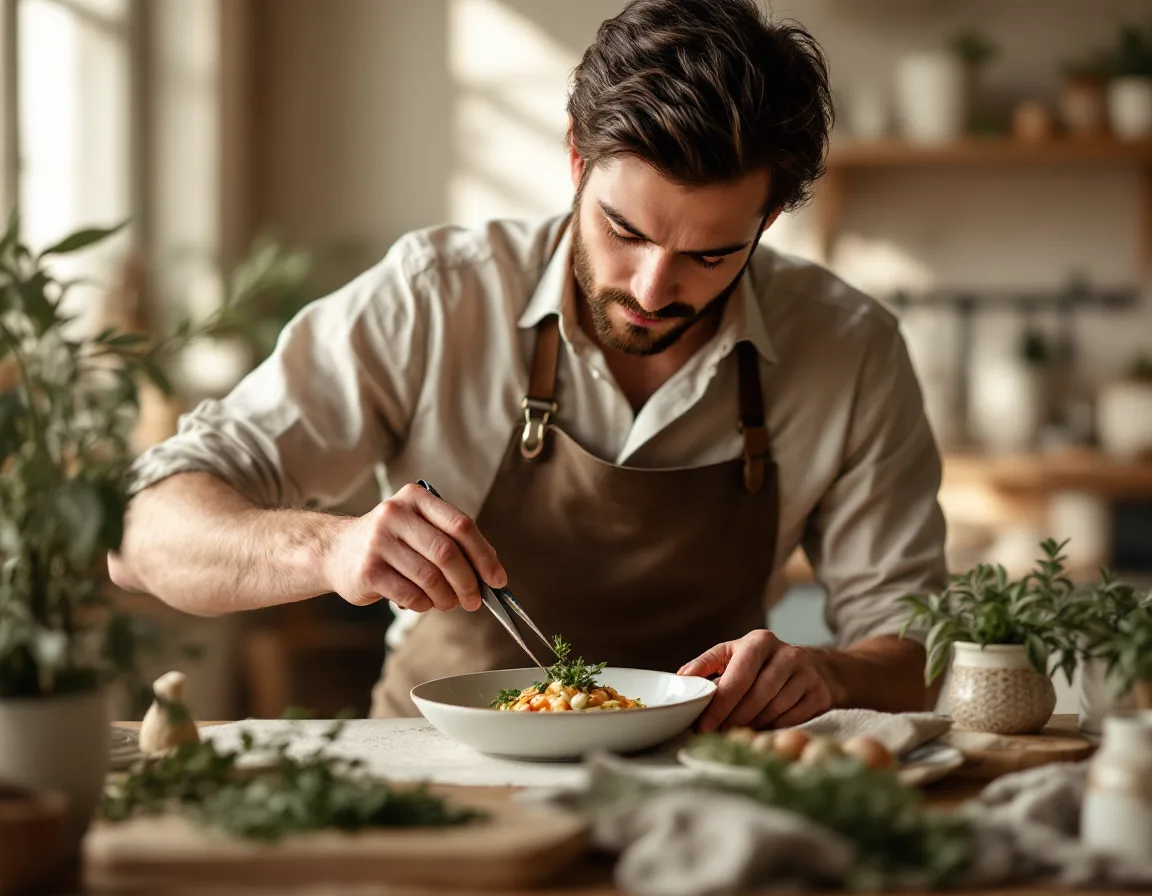
Theo Banks
Cooked the line before he ever styled a plate, which is why his food still looks like dinner. Builds the set, keeps the backups warm, and decides which crumb stays and which goes.
Send us the dish and the deadline. We'll have a shot list and a fixed price back in your inbox within one business day.— Mara & Theo, Nettle Lane